 Guide
GuideLEGO Investing for Beginners: Returns, Risks, Reality
Every few months someone asks us if buying an extra LEGO® set and sitting on it is a real way to make money. The honest answer is: sometimes, for some sets, over some timeframes, yes. It's also slower, less liquid, and less certain than the secondary-market screenshots make it look. LEGO investment returns are a real thing that real people have made real money on, but the stories that make it to social media are the wins, not the boxes still sitting in someone's closet three years later at the price they paid.
We're not going to tell you LEGO investing is a scam, because it isn't. We're also not going to tell you it's an easy passive-income hack, because it isn't that either. This guide is the version of the conversation we'd actually have with a friend who asked us over coffee: what tends to work, what tends to fail, and what the risks look like once you've been doing this a while.
One thing up front: LEGO doesn't publish a retirement calendar, official return figures, or anything close to investment guidance. Everything below is built from patterns that get reported again and again by people who track this stuff closely, not from a number LEGO itself put out. Treat the ranges as ranges, not promises.
What people actually mean by "LEGO investing"
Most of the time it means one specific thing: buy a set new, in the box, don't open it, and sell it later once it's off shelves for more than you paid. That's it. It's not day trading or flipping preorders for a quick profit (though some people do that too), it's closer to buying a bottle of wine and letting it sit.
The reason it works at all is supply and demand doing something predictable. LEGO sets are made for a limited run. Once a set is pulled from production, no more get made, ever, under that number. If demand for that set holds up or grows after it's gone, the only supply left is whatever's sitting in people's closets, and the price on the secondary market drifts upward. If demand doesn't hold up, the price just sits flat, or drops, and you're storing cardboard.
That's the whole mechanism. There's no LEGO stock ticker, no fund, no way to buy a fraction of a set. You're buying a physical object, storing it, and hoping someone wants it more later than you want it now.
What the returns actually look like
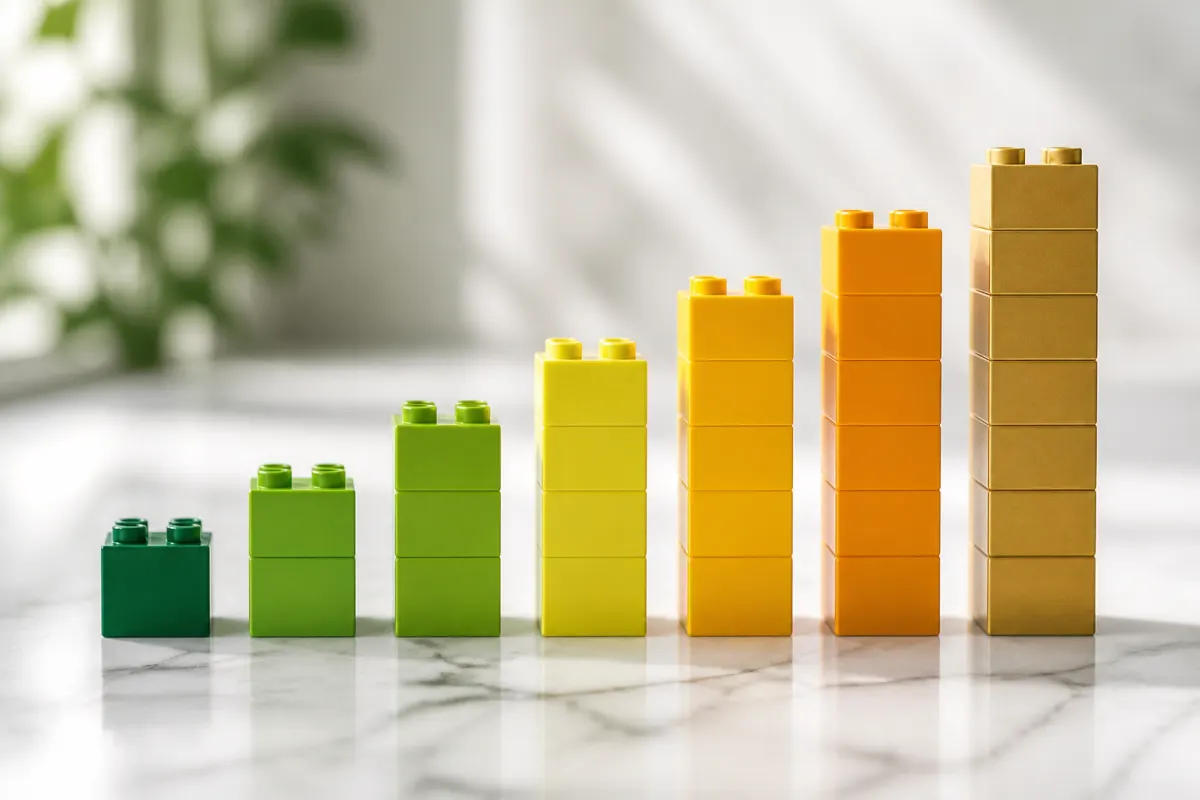
The honest range you'll see reported across resale trackers and secondary-market sites, for sets that do appreciate, tends to land somewhere between modest and genuinely good over a multi-year hold, not the overnight doubling that gets screenshotted. The sets people point to as standout winners are usually large, licensed, flagship sets that were held sealed for several years, not opened, not for a season.
What rarely gets mentioned alongside those numbers: the typical holding period reported for a meaningful gain is measured in years, not months, and a chunk of any set's sticker retirement price is really just the price of your money being tied up and your closet space being used for that whole stretch. If you compare the raw dollar gain to what the same cash would have done sitting in almost anything else over the same years, LEGO investing usually looks less impressive, not more.
And for every set people cite as a winner, there are sets bought with the same logic that just sat flat. Nobody posts a screenshot of a box that's worth exactly what they paid for it four years ago. That's the survivorship bias built into every LEGO investing thread you'll read: you only hear about the sets that worked.
What tends to hold value, and what tends not to
A few patterns show up again and again in what collectors and resale trackers report, even without hard LEGO-published numbers behind them. Large, high piece-count sets in licensed lines (Star Wars UCS-style builds, Icons-branded architecture and vehicles) tend to hold interest longer than smaller, cheaper sets, because they're the ones people actually want to display, not just build once. The Millennium Falcon has been reissued a few times over the years in different scales and always seems to find a buyer regardless of which version.
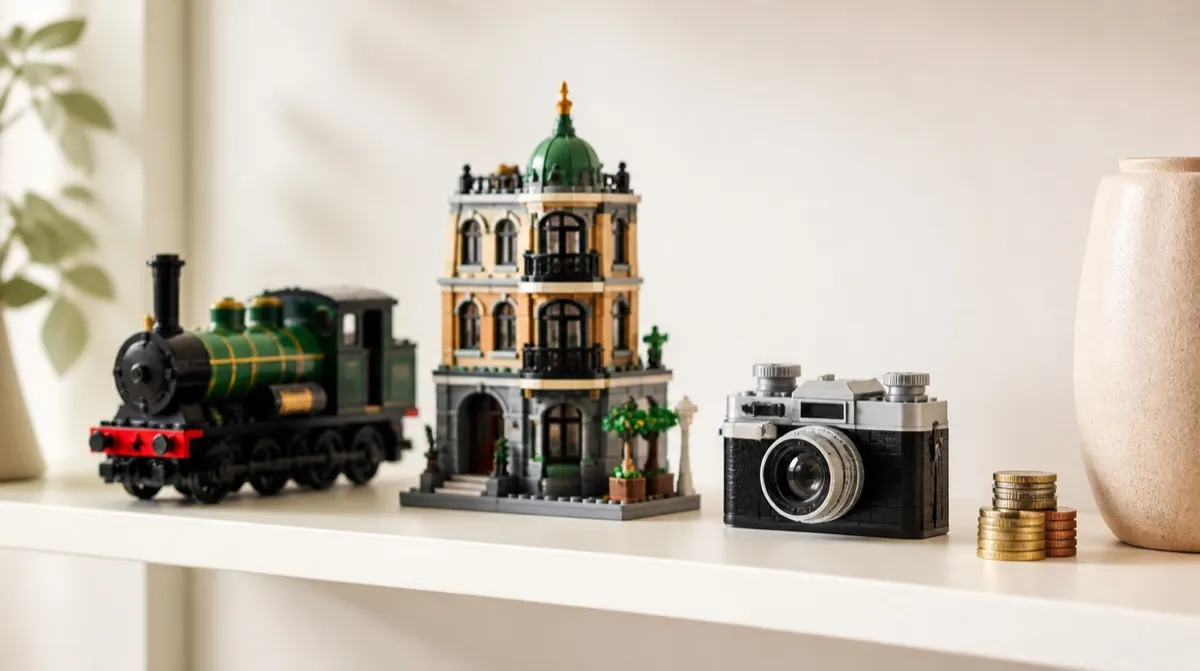
Architecture and landmark builds in the Icons line, like the Eiffel Tower or Titanic, tend to have staying power too, because they appeal past the usual LEGO-buying crowd into a general home-decor audience, which widens demand once a set is gone. Modular Buildings (things like Bookshop, Downtown Diner, or Boutique Hotel) have a long track record of holding value because that line has a dedicated collector base that wants the full street, and a missing entry in the row matters to them.
What tends not to hold value: small sets, sets tied to a licensed property that cools off (a movie tie-in nobody's talking about eighteen months later), and anything LEGO reprints or rereleases in a near-identical form. If the exact set, or something close enough to it, comes back on shelves, your sealed copy just competes with new stock at retail price, and that's a bad position to be in.
The risks nobody puts in the headline
Storage is a real cost, even if it doesn't show up on a receipt. A sealed box needs to survive years without crushed corners, sun-faded cardboard, or a taped seam that makes buyers assume it's been opened and resealed. That means climate-controlled space, which most people don't have unlimited amounts of.
Liquidity is worse than people expect going in. Even a set that's genuinely gone up in value doesn't sell itself. You're listing it, photographing it, packing it, dealing with shipping damage claims, and paying marketplace fees that eat into the gain you thought you had. A number on a resale tracker isn't cash in your hand until someone actually pays it and the box arrives intact.
There's also a straightforward chance of being wrong. A theme falls out of favor, a movie franchise loses steam, or LEGO decides to rerelease the exact set you're sitting on in a new color scheme two years later. None of that is under your control, and none of it is visible when you're standing in the aisle deciding whether to buy two.
And there's the money-not-working-elsewhere problem. Cash tied up in a sealed box for three or four years is cash that isn't doing anything else in the meantime. Even a set that eventually sells for more than you paid can be a mediocre place to have put that money, once you account for how long it sat there doing nothing.
A more realistic way to think about it
If you're going to try this, the sets worth a second look tend to be the ones you already believe in for reasons that have nothing to do with resale: large, well-reviewed, licensed or landmark builds that reportedly sell well even years after release, in themes with a track record of holding collector interest (Icons, Modular Buildings, and the bigger Star Wars builds show up often in that conversation). Buying two of a set you'd never want to display in the first place, purely because a forum said it would go up, is the version of this that tends to end with a closet full of regret.
Keep the sealed copy actually sealed, store it somewhere the cardboard won't take sun or humidity damage, and be honest with yourself about the timeline. If you need the money back in a year, this isn't the right place for it. If you're comfortable not touching that box for three to five years and treating any gain as a bonus rather than a plan, the math gets a lot more forgiving.
It's also worth separating the collecting instinct from the investing one. Buying a set because you love it and it happens to hold value later is a much better outcome, emotionally and financially, than buying a set you don't care about purely as a bet.
A simple gut check before you buy two
Ask yourself a few plain questions before buying an extra copy of anything. Would I want this set on my own shelf if it never appreciated a cent? Is this a large, well-known, licensed or landmark set, or a smaller one riding a trend that might fade? Has LEGO shown a pattern of not reprinting sets like this once they retire? Can I actually store a sealed box properly for years, not months? And am I fine treating any eventual gain as a slow bonus rather than counting on it?
If the answers lean yes across the board, buying a spare of a set you already like isn't a bad move. If you're buying purely off a hunch that a set will be hot later, you're gambling with cardboard, and it's worth knowing that's what you're doing going in.
LEGO investing is real, but it's slow, illiquid, and quieter than the forum success stories make it sound. The sets that reportedly hold value tend to be large, licensed, or landmark builds you'd want on a shelf anyway, kept sealed for years, not months. If you go in treating any gain as a bonus on a set you already love rather than a plan you're counting on, you'll make better decisions than the spreadsheet-driven version of this hobby usually does.
Common questions
Do all retired LEGO sets go up in value?
No. Retirement just means production has stopped, and that alone doesn't guarantee demand. Plenty of retired sets sit flat or even dip in resale price. The sets reported to hold or gain value tend to be large, popular, licensed, or landmark builds with a track record of collector interest, not every set that leaves shelves.
How long do I need to hold a set before it's worth anything extra?
There's no official number, but the gains people report tend to show up over a multi-year hold, often three to five years or more, not months. If you're expecting a quick flip, LEGO sets typically aren't a good vehicle for that compared to sets held sealed and untouched for years.
Is it better to buy sets at retail or wait for a sale?
Buying at or below retail matters more for potential return than almost anything else, since your eventual profit is just the gap between what you paid and what someone pays later. Buying at a discount, and skipping shipping costs where possible, improves the math before the set even leaves the store.
Should a beginner start LEGO investing with a small set or a big one?
Larger, licensed, or landmark sets tend to get reported as the stronger holds, but they also tie up more cash for longer. A reasonable starting approach is one set you'd genuinely want to own anyway, in a theme with a track record (Icons or Modular Buildings, for example), rather than spreading small bets across sets you don't actually care about.