LEGO Dinosaur Fossils (21320)
Three brick-built skeletons that turn a shelf into a tiny natural history hall.
Brick Rated Score
Set 21320 · 2019
Affiliate link. We may earn a commission at no extra cost to you.As an Amazon Associate we earn from qualifying purchases.
I did not expect to be charmed by a box of white skeletons, and then I built the T-Rex and completely got it.
This is three separate builds (T-Rex, Triceratops, and a little Pteranodon) posed on their own plinths, and standing them next to the wee paleontologist makes any shelf feel like a museum wing. The main knock is real: the T-Rex head tends to droop on its single ball joint, so you will fuss with it. If you love dinosaurs or want display value on a budget, this one is a keeper.
Best for: Dinosaur lovers who want a museum-style display shelf rather than a play set
What it is
Dinosaur Fossils is exactly what it says on the tin, and I mean that as the highest compliment. You get three brick-built skeletons, a Tyrannosaurus rex, a Triceratops horridus, and a small Pteranodon longiceps, each built to roughly 1:32 scale and mounted on its own display plinth with a museum-style name label. There is also a paleontologist minifigure in a tan field outfit and a classic LEGO skeleton figure wearing an adventurer's hat, which the designers cheekily labeled 'LEGO sapiens'. The first time I set the T-Rex on a shelf next to that little scientist, the whole thing clicked. It stops being a model and starts being a diorama, a slice of a natural history hall you assembled yourself.
The catch
I will be honest about where it wobbles. The T-Rex head is the recurring complaint across nearly every review, and it is legitimate: the skull hangs off a single ball-socket neck joint, and it is heavy enough that it droops unless you tension the joints just so. LEGO's own advice is to set the neck joint closest to the body first, since it carries the most friction. Once you win that battle it holds, but you will fight it. The posing is also more suggestion than full articulation, so do not expect an action figure. And the bones came out white rather than the tan they were originally shown in, a color change forced because too many pieces were not available in the warmer shade. Some collectors never quite forgive that. At the original 60 dollar price for 911 pieces, though, the value is fair for what you get.
Who it's for
So who is this for? Anyone who loved dinosaurs as a kid and never really stopped, and anyone who wants a display piece that earns its shelf space without costing a fortune. It photographs beautifully, it sparks conversation, and it reads instantly to anyone who walks past. If you are chasing clever mechanical engineering or a set you will re-pose constantly, this is not that. But as a warm, characterful display that celebrates paleontology, it is one of the easiest LEGO Ideas sets to recommend.
The parts story
What the build is actually like, and the pieces worth knowing about.
Building this is a relaxed, satisfying few hours rather than a marathon. It comes in six numbered bags with three separate instruction booklets, one per creature, and most builders clock the whole thing around four to four and a half hours: roughly two hours each for the T-Rex and Triceratops, and a quick half hour for the Pteranodon. The clever bit is structural. Each skeleton anchors down into its plinth, so despite the spindly, bony silhouettes, the finished models feel sturdy rather than fragile. The Triceratops even uses slightly different sized legs to give it that lovely forward-sloping stance.
There are no brand-new molds or fresh printed parts here, which surprised me given how detailed it looks. The name plates and the little book page are all labels rather than prints, so you apply a small sticker sheet. What makes the models sing is smart use of existing elements: white technic connectors, clips, and small curved slopes standing in for vertebrae, ribs, and claws, plus the humble ball-and-socket joints doing the articulation work. It is a masterclass in parts usage on a budget, proving you do not need exotic pieces to build something that reads unmistakably as a fossil.
Fun facts
- 01The set began as a fan project called 'Dinosaurs Fossils Skeletons - Natural History Collection' submitted to LEGO Ideas by Jonathan Brunn in early 2017, then was turned into the official model by veteran LEGO designer Niels Milan Pedersen.
- 02The included skeleton minifigure wears an adventurer's hat and was nicknamed 'LEGO sapiens', a little joke placing modern humans in the same display case as the extinct giants.
- 03The dinosaurs ended up white instead of the tan shown in early images because too many of the required pieces simply did not exist in the warmer bone color at the time.
- 04Released on 1 November 2019, the set retired in December 2021 and has since climbed well above its original 60 dollar price on the secondary market.
What other builders say
This write-up is grounded in real reviews and builder discussion, not just one opinion. A few worth reading:
More reviews
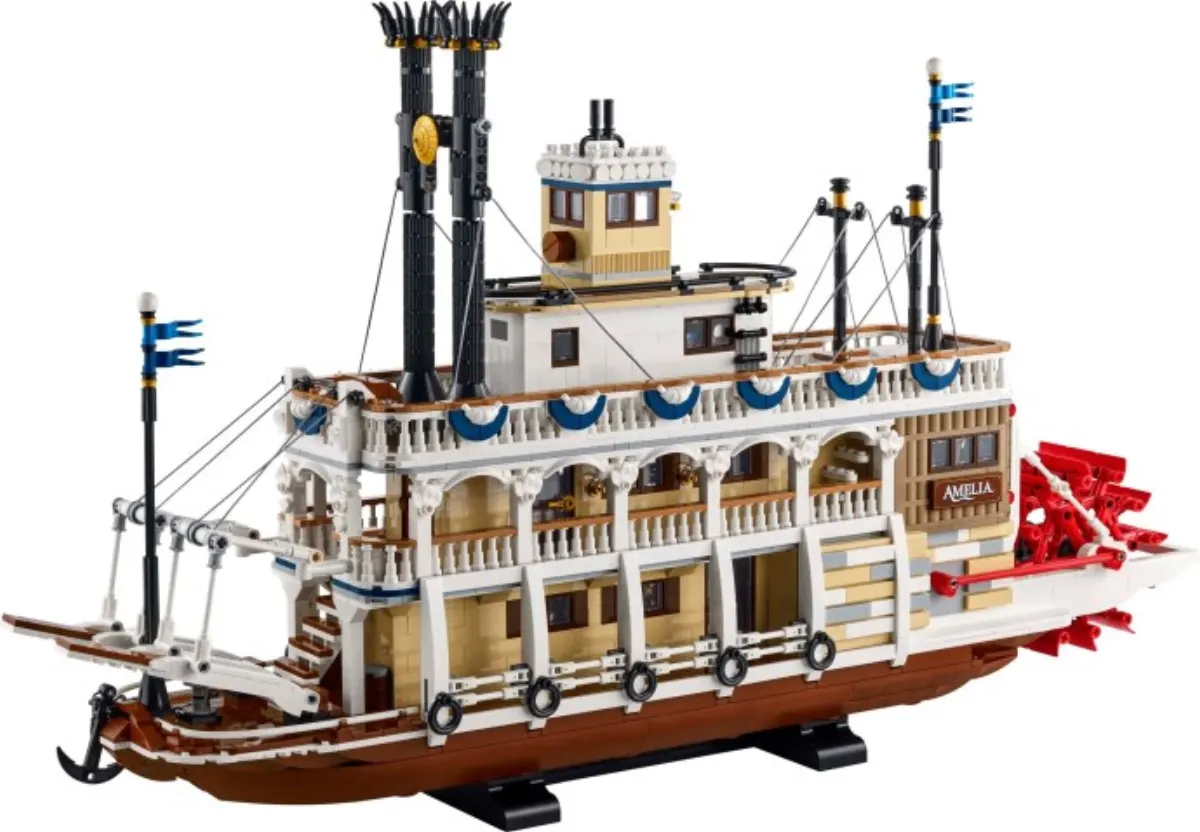
River Steamboat
The biggest LEGO Ideas set ever, and a proper working Mississippi paddle wheeler.
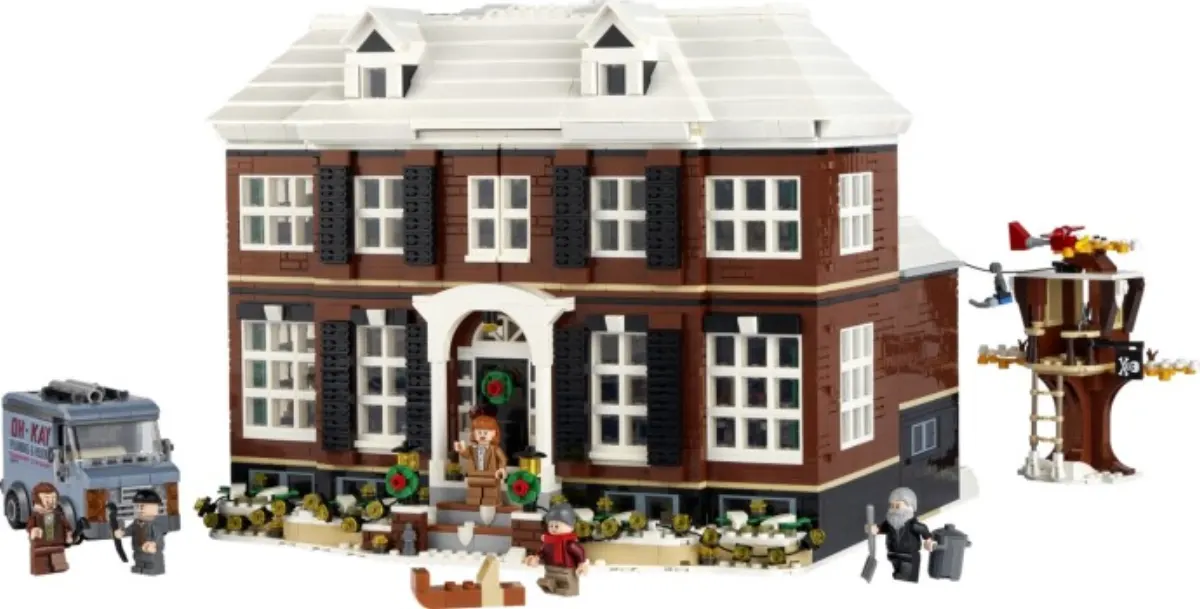
Home Alone
The McCallister house, booby traps and all, built brick by nostalgic brick.
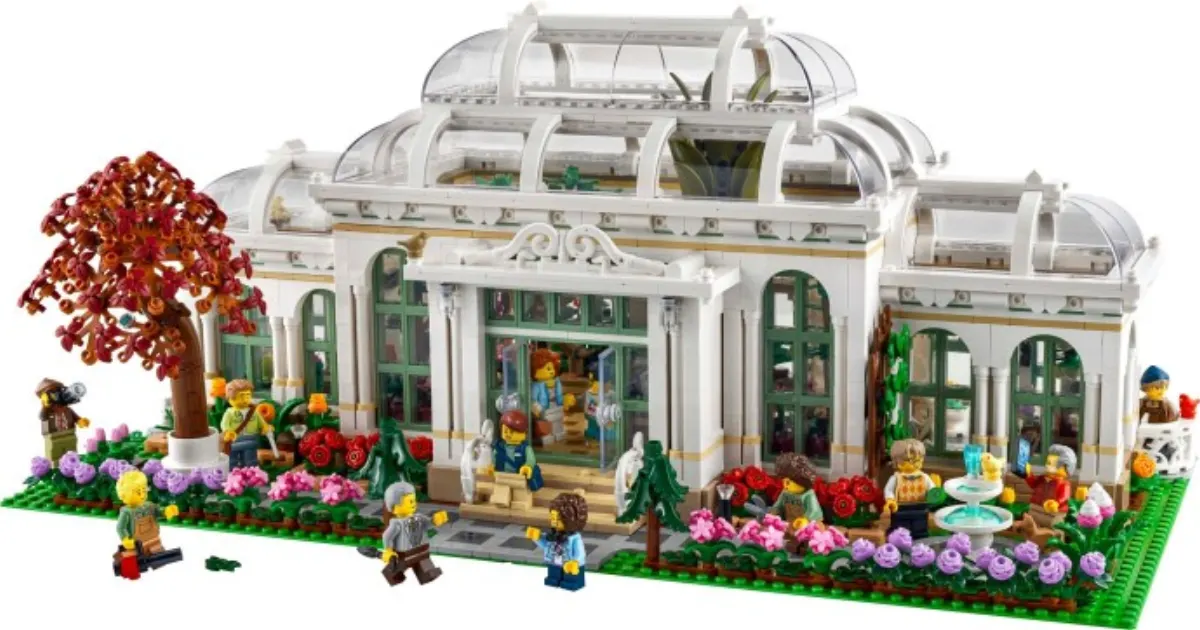
The Botanical Garden
A Victorian glasshouse with 35 brick-built plants and a bag of clever parts tricks.