LEGO Red London Telephone Box (21347)
A little red icon that lights up from the inside and quietly wins you over.
Brick Rated Score
Set 21347 · 2024
Affiliate link. We may earn a commission at no extra cost to you.As an Amazon Associate we earn from qualifying purchases.
This one snuck up on me.
It looks so simple in the box that you almost brace for a boring build, and then you press the roof, the hidden light brick glows through those little windows, and the whole thing turns cozy in a way a photo can't sell you. It's a proper display piece with real charm, and the Easter eggs tucked inside are pure joy. Just go in knowing you're paying display-model money for something that's more about the finished look than a thrilling build.
Best for: Anglophiles and cozy-display fans who want a small, characterful shelf piece
What it is
There's something about the red London phone box that hits people who've never touched a LEGO® set in their lives, and that's exactly why this one works. It's small, it's honest, and it knows precisely what it wants to be. At 1,460 pieces you get a faithful little tribute to the K2 kiosk sitting on a cobbled street base, complete with an old-style streetlamp, low iron railings, and a bright blue planter of flowers that stops the whole thing from feeling too serious. The star trick is the light brick hidden up in the roof. Press the top down and the interior glows warm through those tiny windows, and honestly that's the moment this set stopped being cute and started being something I actually wanted on a shelf. You even get a choice of two interiors, the vintage 1924 rotary phone or the 1990s handset, which is a sweet touch for a model this size.
The catch
I'll be straight with you about the caveats, because there are a few. This is essentially a tall red box, and the build reflects that. You spend a good chunk of the time stacking similar sections of red brick and transparent window, and if you live for surprising engineering, the middle stretch will test you a little. The roof construction is the clever bit and the corners get some nice lined-plate detailing, but the walls themselves are honest repetition. Price is the other sticking point. At £99.99 or $114.99 with no minifigures included, you're paying for the concept and the display value more than the parts, and plenty of builders felt that pinch. The interior charm also leans heavily on stickers rather than printed pieces, and if you look closely the window frames aren't a perfect match for the real kiosk's proportions.
Who it's for
So who should grab this one? If you love British icons, if you've got a soft spot for cozy little vignettes that light up, or if you want a display piece that visitors will actually recognize and smile at, this is an easy yes. It photographs beautifully and it holds real sentimental pull. If you're chasing a meaty, technique-rich build or you judge a set purely on parts-per-pound, you'll probably want to wait for a discount or look elsewhere. Me, I came around to it completely. It's not the most exciting thing you'll ever build, but the finished piece has more heart than its little footprint suggests, and that light brick seals the deal. Worth noting it's now retired, so if it's calling to you, don't wait around too long.
The parts story
What the build is actually like, and the pieces worth knowing about.
The build breaks down into clear stages and moves along at a gentle pace. You start with the cobbled street base, where dark tan accents and textured plates do a lot to sell the London-pavement feel, then add the railings, lamppost and planter before the kiosk itself goes up. The box is built in stacked sections of red bricks framed by transparent windows, which is where the repetition lives, but the corners use lined plates to give the silhouette some real depth so it never reads as a plain cube. The roof is the highlight, a tidy little bit of SNOT (Studs Not On Top) work that houses the light brick and lets you press the top to switch it on. Fitting out the interior with your choice of rotary or modern phone is a fiddly, satisfying finish.
On the parts side, this isn't a set stuffed with headline new molds, so temper expectations there. The value story is really the light brick, which does heavy lifting for the whole experience, plus a generous run of red bricks and transparent window pieces that are genuinely useful for MOC builders. The printed and stickered details are where the personality hides, packed with references to past LEGO Ideas sets and to designer John Cramp's own family, right down to his kids' initials and his wedding anniversary standing in for the phone numbers. At roughly 7 to 8 cents per piece with no minifigures, the raw parts math is fair rather than generous, so you're buying the design and that lovely glow more than a parts haul.
Fun facts
- 01The real K2 kiosk was designed by architect Sir Giles Gilbert Scott, who won a 1924 competition and topped his design with a dome said to echo the mausoleum John Soane built for his own family in a London churchyard.
- 02Scott actually wanted his kiosk made in mild steel and painted silver with a greeny-blue interior, but the Post Office overruled him, casting it in iron and painting it the red we all know today.
- 03Around 1,700 K2 boxes were installed, mostly in London, and roughly 200 survive with protected Grade II listed status, so LEGO released this set the same decade the design turned 100.
- 04The set began as a fan submission on LEGO Ideas by British builder John Cramp (Bricked1980), then was developed into the official model by LEGO designer Marina Stampoli.
What other builders say
This write-up is grounded in real reviews and builder discussion, not just one opinion. A few worth reading:
More reviews
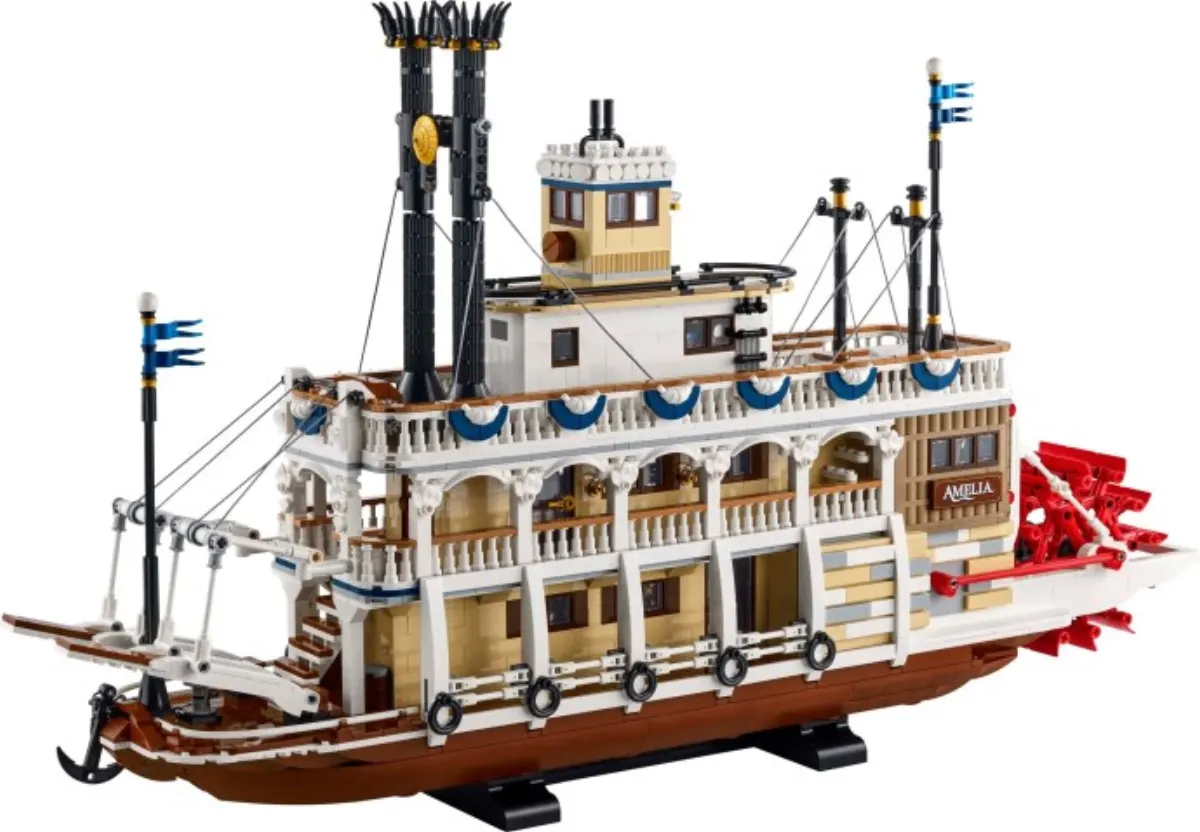
River Steamboat
The biggest LEGO Ideas set ever, and a proper working Mississippi paddle wheeler.
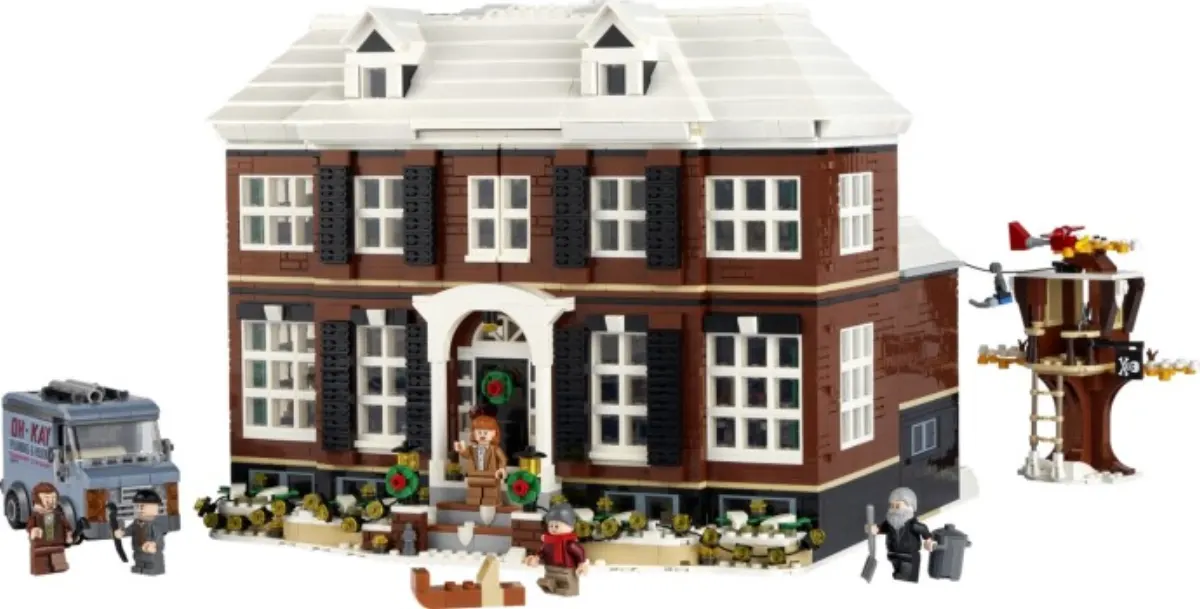
Home Alone
The McCallister house, booby traps and all, built brick by nostalgic brick.
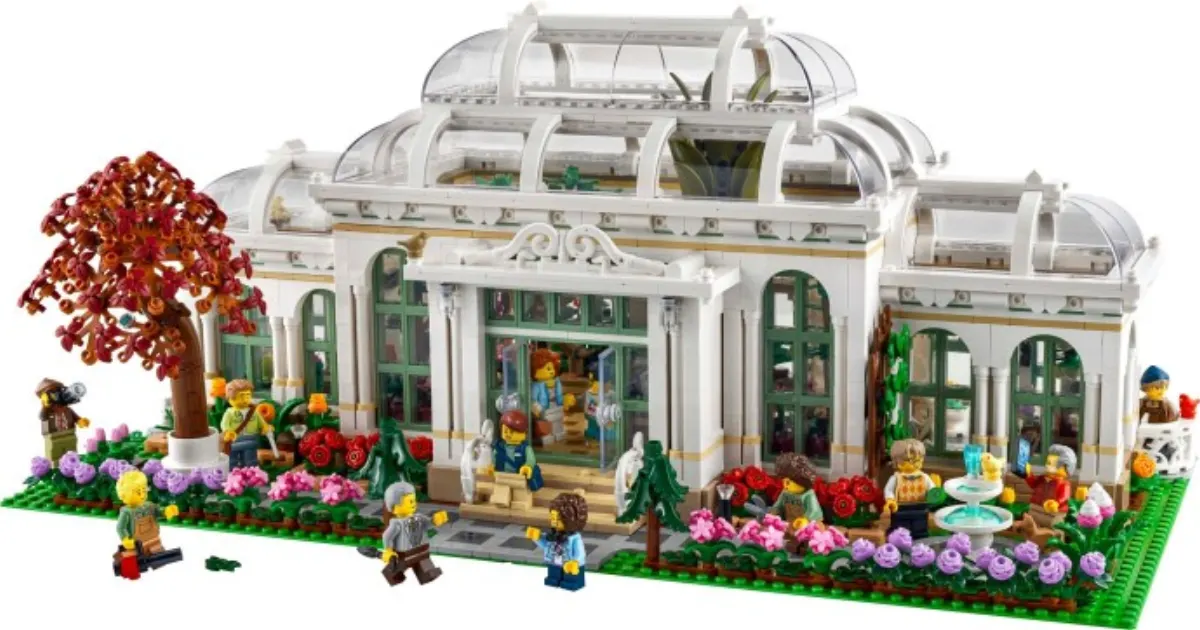
The Botanical Garden
A Victorian glasshouse with 35 brick-built plants and a bag of clever parts tricks.