LEGO Roller Coaster (10261)
The first official LEGO coaster, and it actually rolls on gravity like the real thing.
Brick Rated Score
Set 10261 · 2018
Affiliate link. We may earn a commission at no extra cost to you.As an Amazon Associate we earn from qualifying purchases.
If you've ever wanted a working fairground ride on your table, this is the LEGO set that started it all, and it holds up beautifully.
I'd point you to it if you've got the space and the patience for a big, repetitive build, because watching two trains glide around under their own weight is genuinely hypnotic. It isn't cheap and it eats a lot of room, so it's more of a centerpiece than a shelf-filler. For the right person though, it's one of the most satisfying builds LEGO has ever done.
Best for: adult builders who want a working, motion-based display piece
What it is
The 10261 Roller Coaster was the first proper working coaster LEGO ever put in a box, and even years later it's still one of the most fun sets I've watched people play with. This isn't a static model you glance at. You crank the handle, the chain lift hauls two trains up to the top, and then gravity takes over and they zip around the twists and drops all on their own. It's the kind of set that pulls people over to your table and keeps them there. As a Creator set aimed squarely at grown-up builders, it delivers on the fantasy of owning your own little fairground ride.
The catch
Now the honest bits, because you deserve them before you spend. This is a big commitment in every sense. It's over 4,100 pieces, it costs around 380 dollars at retail (and more now that it's retired), and a huge chunk of the build is repetitive. You'll place a lot of 2x2 round bricks stacking up the support columns, and the two halves are basically mirror images, so you're building similar things twice. The finished model is also genuinely large, roughly 90cm long and 38cm deep, which means it won't sit on a normal shelf. You need a dedicated table or a chest of drawers for it. And once the two sections are joined, the whole thing gets fragile and awkward to move, so pick its home before you build it. A few builders also grumble that for this price a motor really should have been included, since motorizing it is where the magic goes up a level.
Who it's for
If you love display pieces that do something, have the space, and don't mind a meditative, slightly repetitive weekend build, you'll adore it. It's perfect for the adult fan who wants a centerpiece that earns its footprint. If you're short on room, want something quick, or get bored placing the same brick fifty times in a row, steer toward something smaller. But if you've got the table and the patience, this is one of the most rewarding builds around, and watching those trains loop on their own never really gets old.
The parts story
What the build is actually like, and the pieces worth knowing about.
Building this one is a real journey rather than a sprint. You start with the base and the two ticket-booth and station sections, which have plenty of nice detailing, then you get into the structural heart of it: the towers. Those support pillars are made from something like 530 2x2 round bricks, threaded and stabilized with Technic axles running down through the middle, and that's the stretch where the repetition kicks in hard. The clever part is that LEGO kept almost the whole thing in normal System bricks instead of leaning on Technic beams, so it feels like a classic build even with all the mechanical trickery. There's a satisfying ratcheting freewheel on the crank and even a rubber connector acting as a tension spring to give the winch lever that rocker-switch click. Then comes the track, where careful alignment really matters, and the moment you send the first train down is worth every round brick.
On the parts front there's a lot to enjoy. The headline is the set of seven dedicated rail track elements in curves and ramps, including a short steep segment (design ID 62561) that debuted here, plus the new low-friction wheels that let the trains coast with barely any drag. There are useful recolors too, like a Dark Azure 1x1 brick that filled a real gap in that palette, dark blue coaster cars and panels, and a light purple minifigure head and beehive piece repurposed as cotton candy. A brand-new curved-top modified 1x2 brick showed up as a handy substitute for the old R-slope. With over 4,100 pieces for around 380 dollars, the per-part value is solid, and the sheer pile of round bricks, tiles, and track makes it a genuinely useful parts haul on top of the finished model.
Fun facts
- 01This was the first official working roller coaster LEGO ever released, and it runs entirely on gravity with a hand crank, no motor required, just like a real chain-lift coaster.
- 02The support towers use around 530 2x2 round bricks stacked and reinforced with Technic axles, which is why that section of the build feels endless.
- 03The set includes 11 minifigures, and 8 of them have reversible heads so you can flip riders between excited and terrified expressions.
- 04It retired at the end of 2021 after a healthy run, and it later inspired LEGO's follow-up coasters including the 10303 Loop Coaster.
What other builders say
This write-up is grounded in real reviews and builder discussion, not just one opinion. A few worth reading:
More reviews
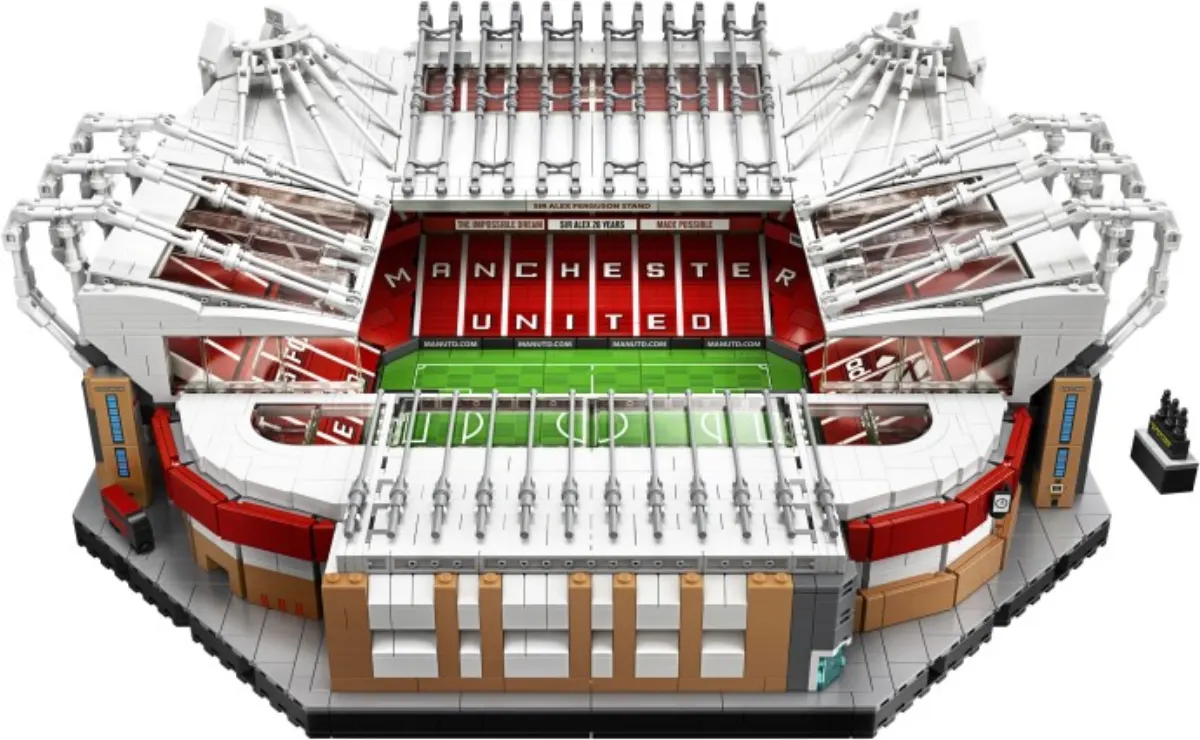
Old Trafford - Manchester United
The Theatre of Dreams in brick form, and it looks the business on a shelf.
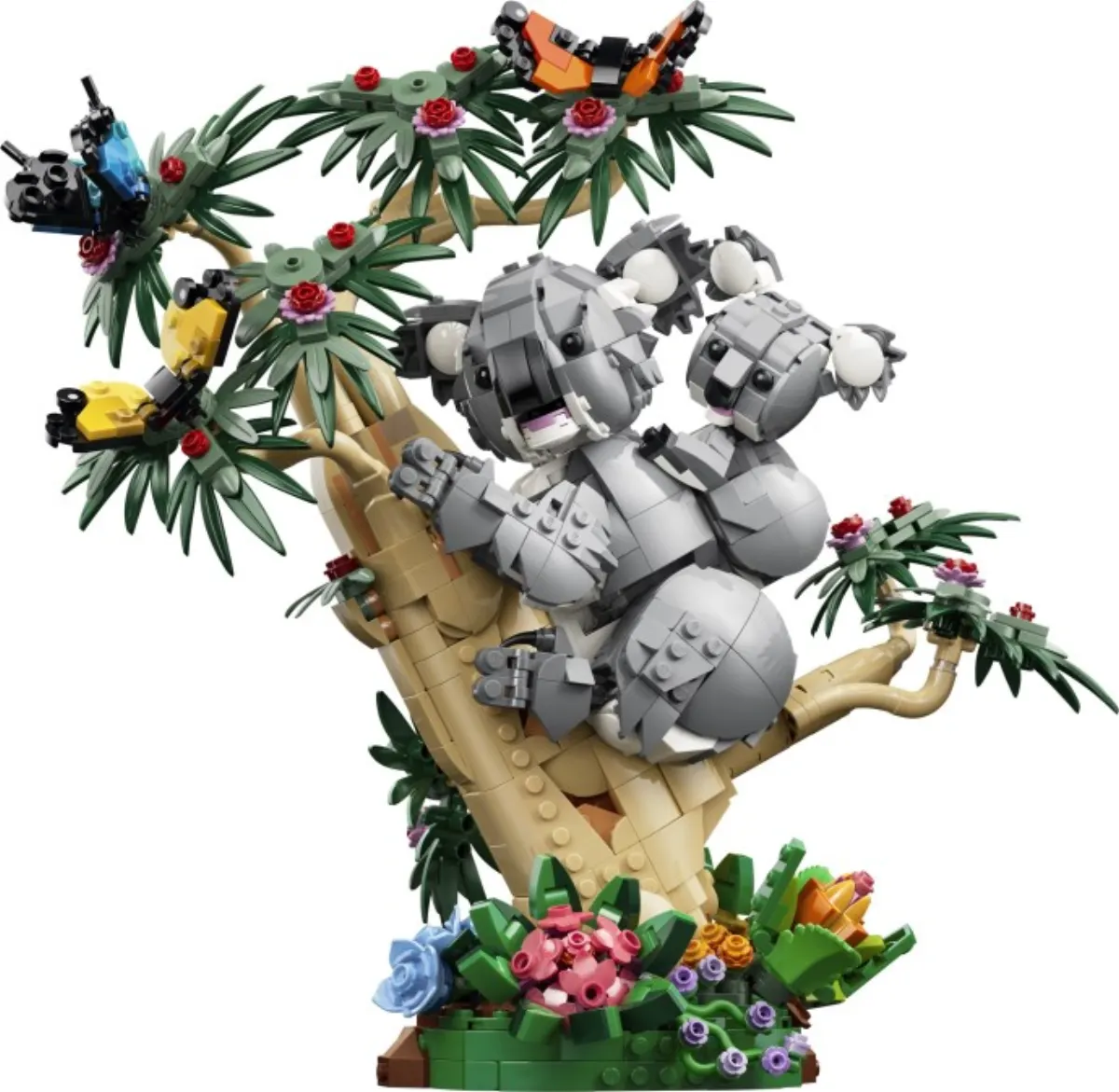
Wild Animals: Family of Koalas
The biggest Creator 3-in-1 ever made, and it's a fuzzy koala mum with her joey.
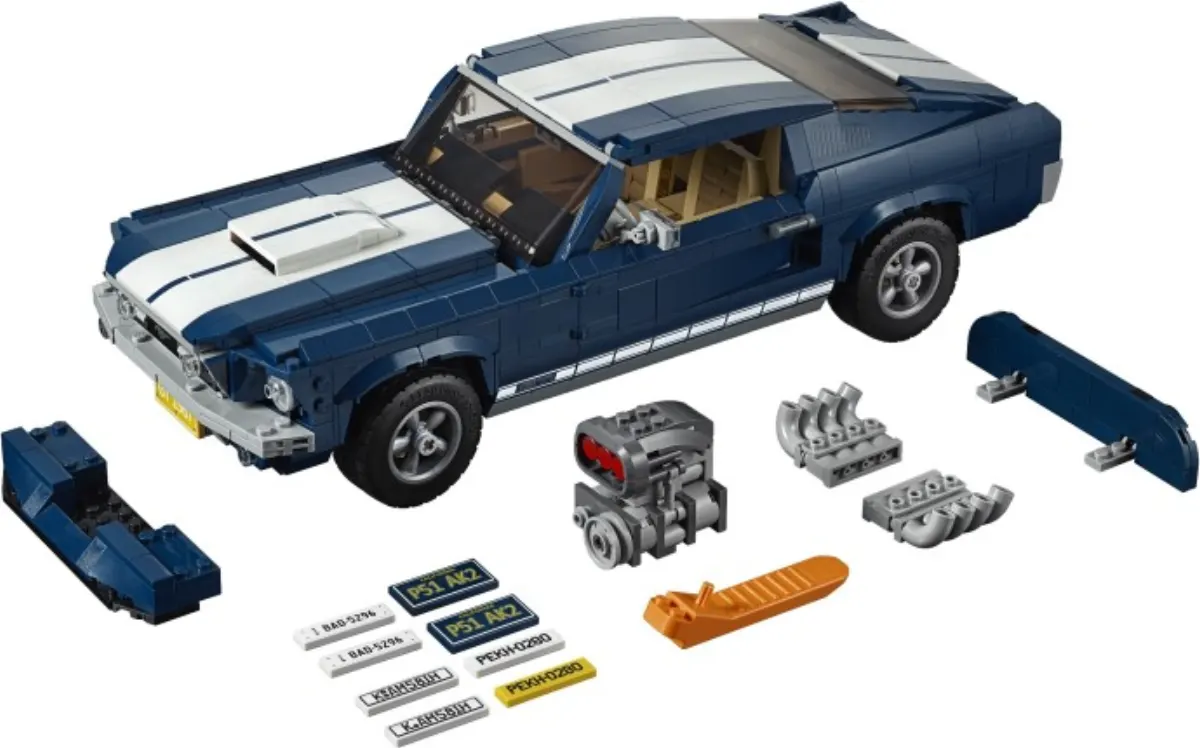
Ford Mustang
The dark blue 1967 fastback that a whole lot of people call LEGO's best car.