LEGO Titanic (10294)
The longest LEGO set ever made, and one of the most rewarding builds I've done.
Brick Rated Score
Set 10294 · 2021
Affiliate link. We may earn a commission at no extra cost to you.As an Amazon Associate we earn from qualifying purchases.
If you've got the shelf space, the budget, and a soft spot for the most famous ship in history, this one earns every bit of the commitment.
It's a big one, 9,092 pieces and 40 to 60 hours for most builders, but the build never once dragged for me and the finished thing has the presence of a museum model. It's not for you if you want a quick weekend project or you're hoping for minifigs, because there isn't a single one. As a display centrepiece, though, it's hard to beat, and with a December 2026 retirement coming, this is the year to decide.
Best for: Patient display builders with a big shelf and a love of ships
What it is
The scale is the first thing to reckon with. This is the longest LEGO® set ever made, stretching 135cm (about 53 inches) from bow to stern, and at 9,092 pieces it's one of the biggest by part count too. This isn't a shelf ornament you throw together on a Sunday. It's a proper voyage of a build, and the happy surprise is that it's a genuinely brilliant one. Designer Mike Psiaki packed it with detail that feels closer to a fan creation than an official set, and once it's finished it carries itself like a museum model. The clever bit is that the ship splits into three sections so you can see inside. You get the First Class Grand Staircase, the dining saloon, cabins, boiler rooms, even little swimming pools, and a replica engine room with pistons that actually pump when you turn a propeller. That's the sort of hidden detail that makes people lean in when they spot it on your shelf. And because you're only ever working on small sub-sections at a time, the sheer size never really lands until you slot in the final pieces and realise how enormous the thing has become.
The catch
I owe you the caveats before you spend this kind of money. This is expensive, with an original RRP of $629.99 that has since climbed to $679.99, so it's a real investment. It's also a long haul, with most builders reporting 40 to 60 hours, and there are stretches of repetitive work. The portholes tested my patience, because you build essentially the same little window over and over, though LEGO wisely spread them across the whole build rather than dumping them all in one grim session. And there's not a single minifigure in the box, which stung a few fans who wanted at least the captain or the famous string quartet, and honestly I felt that gap a little myself.
Who it's for
This is for you if you love the story of the ship, enjoy a slow-burn build with lots of technique to learn, and have a big flat surface to show it off. Skip it if you want something quick, if you're chasing minifigs, or if you simply don't have the room, because half a metre of ocean liner is not a thing you tuck away in a corner. With a 4.4 out of 5 from the Brickset community and a retirement expected in December 2026, it's earned its reputation and the clock is ticking on retail stock. If the price and the space work for you, I'd tell you to go for it.
The parts story
What the build is actually like, and the pieces worth knowing about.
Building this is all about the hull. You spend a big chunk of the early hours laying down the frame and then wrapping it in gently curving plates and slopes, and the sideways SNOT geometry LEGO used to get that ship shape was honestly my favourite part of the whole thing. It comes across three instruction books and assembles in segments that couple together, so you're really building a series of large modules rather than one unbroken slog, and the full 135cm doesn't hit you until the very end. The interiors are the reward for your patience: the Grand Staircase, the dining saloon and the engine room all come together in the middle stretch, and the engines have working pistons that pump when you turn a propeller. The portholes are the low point, all that endless repetition, but they're sensibly scattered across the whole build.
For parts lovers there's plenty to enjoy. You get new long white flexible tubing, reddish-brown 2x4 bricks with axle holes (14 of them), and 14 each of white and brown curved 1x2 slopes, a fresh element that first appeared in the Fender Stratocaster. There are a couple of tan cheese slopes among the recolors too. Best of all, the set uses zero stickers: every detail, including the nameplate that borrows the Typewriter Letter font, comes printed. At 9,092 pieces the cost-per-brick is actually a touch better than the 18+ average, and you finish with a pile of curved slopes and structural parts that are gold for your own boat MOCs.
Fun facts
- 01At 135cm (about 53 inches) long it's the longest LEGO set ever produced, and at 9,092 pieces it was one of the largest by part count at launch.
- 02Designer Mike Psiaki drew heavy inspiration from Stephen Biesty's Incredible Cross-Sections books, which is why the ship splits open to reveal its interiors.
- 03The replica engines have working pistons: turn a propeller and the pistons pump up and down while the screw turns at the back.
- 04There isn't a single sticker in the entire box, every printed detail comes ready to go, right down to the nameplate.
What other builders say
This write-up is grounded in real reviews and builder discussion, not just one opinion. A few worth reading:
More reviews
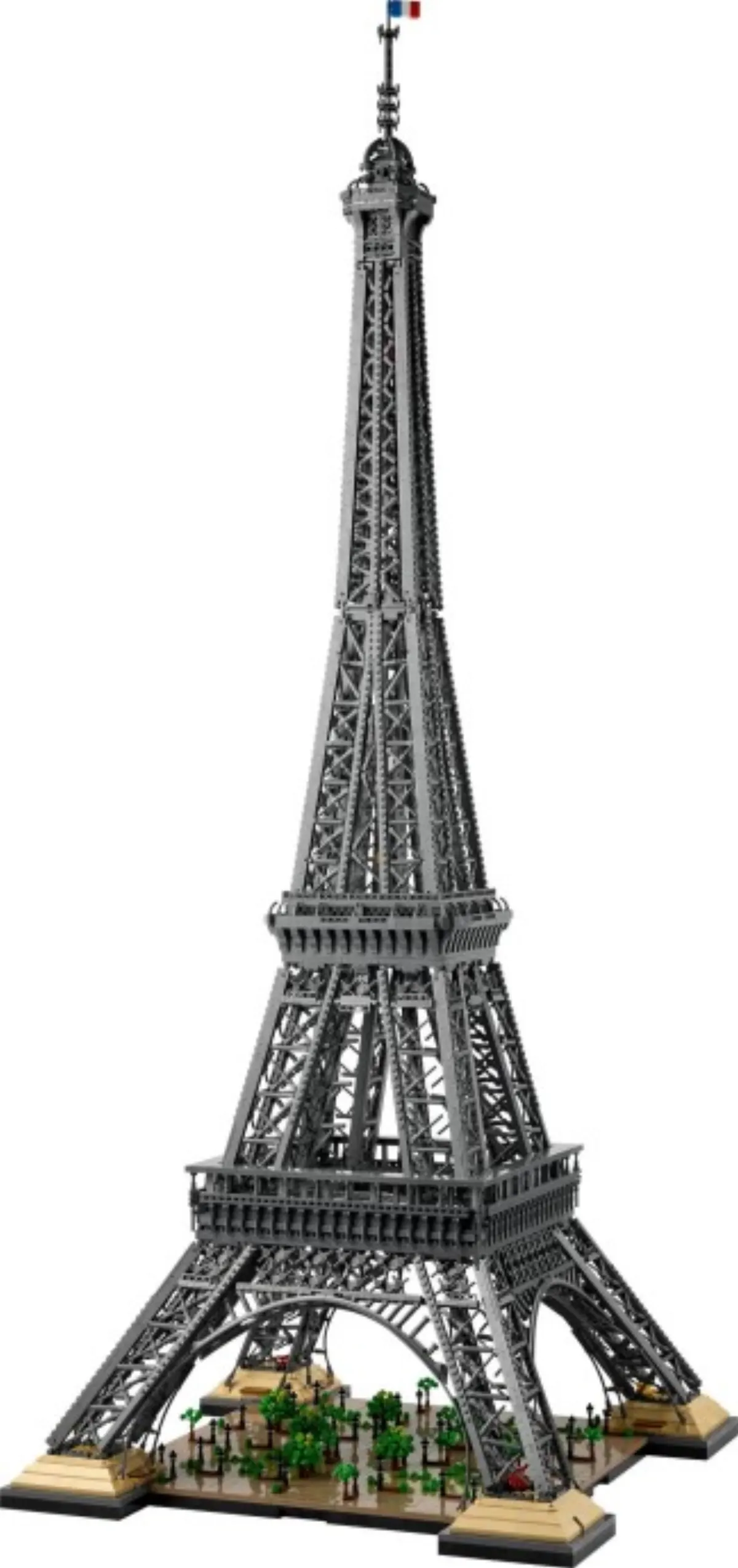
Eiffel Tower
The tallest LEGO set ever, and it makes you earn every centimetre.
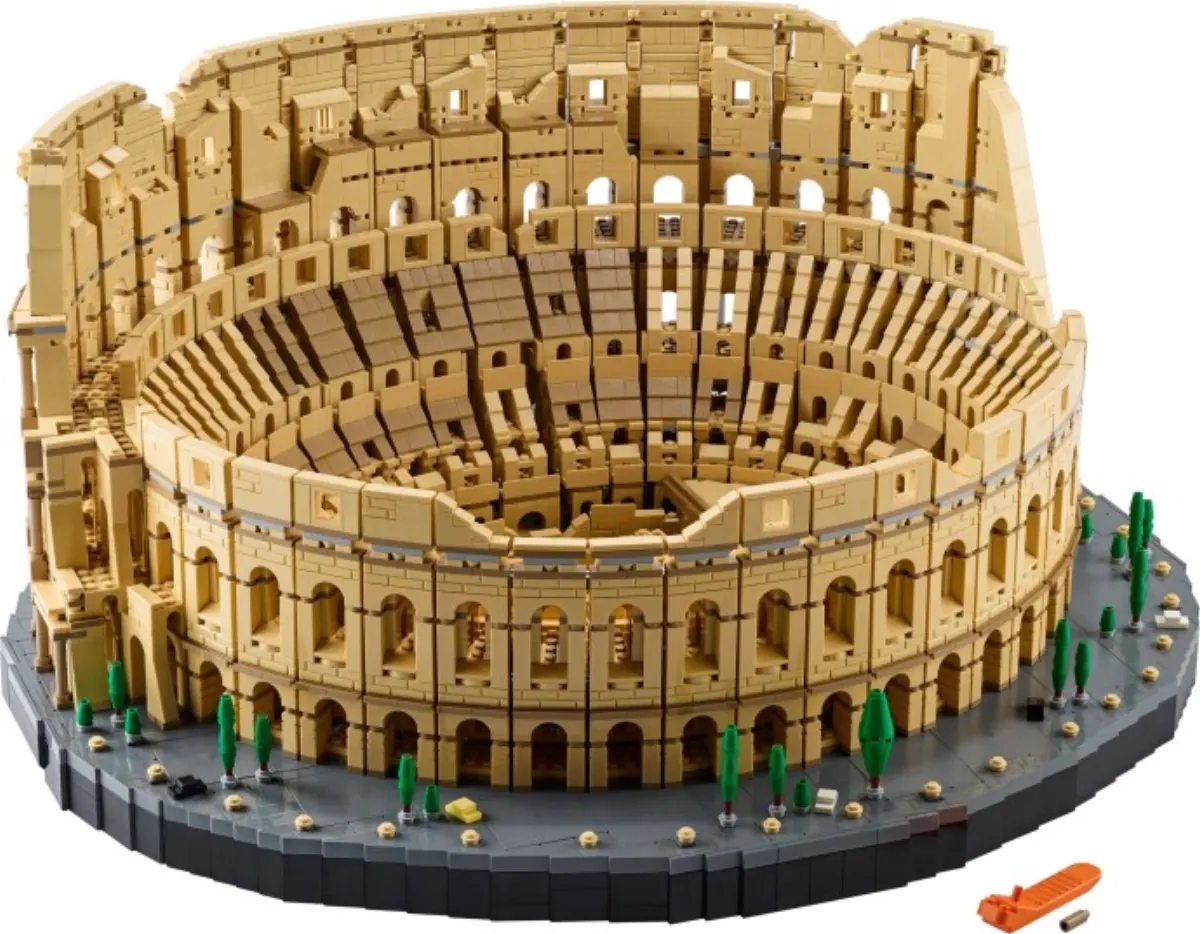
Colosseum
The biggest LEGO set ever made, and a proper test of your patience.
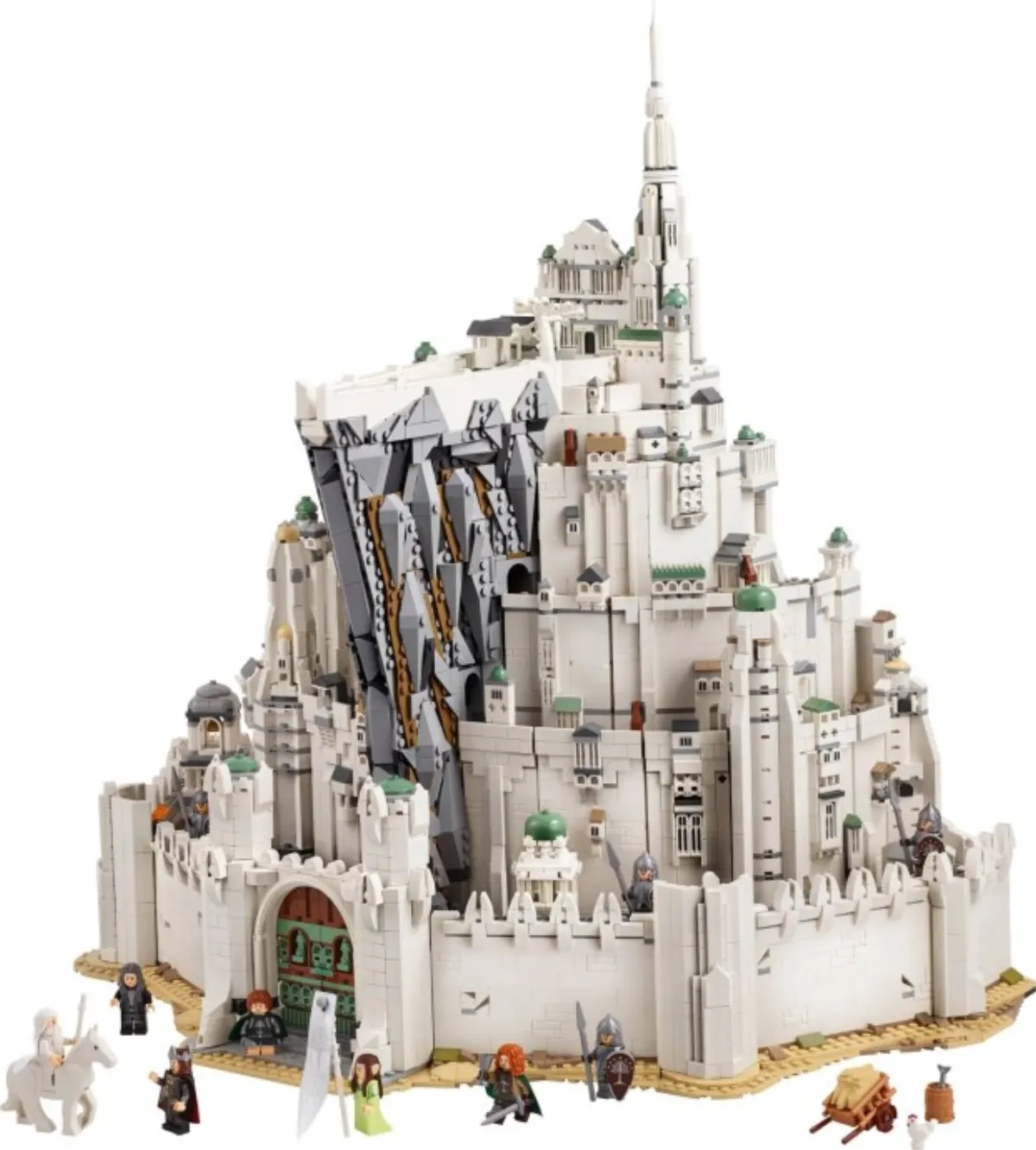
The Lord of the Rings: Minas Tirith
The biggest Middle-earth set ever, and it earns every inch of the shelf.