LEGO Crocodile Locomotive (10277)
A gorgeous reddish-brown Swiss classic that trades flash for quiet, honest charm.
Brick Rated Score
Set 10277 · 2020
Affiliate link. We may earn a commission at no extra cost to you.As an Amazon Associate we earn from qualifying purchases.
This LEGO® set won me over the way old trains do, slowly, through the details rather than a big wow moment.
It's a faithful little model of the Swiss Krokodil, all reddish-brown and green with those long noses that give it the name, and the finished 52cm shape is genuinely lovely on a shelf. It's not a hard build and it's not a showy one, so if you want fireworks look elsewhere. But if the real locomotive means something to you, or you just love a proper train, this one rewards patience.
Best for: Train fans and grown-up builders who love a faithful vintage replica
What it is
There's a certain kind of LEGO set that doesn't try to grab you, it just sits there being quietly excellent until you can't stop looking at it. The Crocodile Locomotive is one of those. It's a 1,279 piece model of the Swiss Class Ce 6/8 II, the electric locomotive that ran for the Swiss Federal Railways from the 1920s and earned its nickname from the two long noses that stretch out on either side of the central cab. Those noses are the whole personality of the thing, and LEGO nailed them. Finished, it runs to about 52cm long and 16cm tall, and it has that heavy, dignified look that vintage trains do so well. Nearly every detail you'd want is printed rather than stickered, which on a set at this price feels genuinely generous.
The catch
I'll be straight with you about the parts of this that test you. The whole model is a deep sea of dark reddish-brown, and the instructions print on a black background, so there were stretches where I was squinting into the bag trying to tell one brown element from another. Builders who suffered through the brown-heavy Treehouse or the Wild West sets will know exactly the feeling. The build is also not difficult, which cuts both ways. For an 18+ set you might expect trickier engineering, and instead a lot of it is steady, methodical bodywork with some repetition in the two ends. It's relaxing, honestly, but if you build for clever techniques you may finish wishing it had asked more of you. And the presentation is a touch bare out of the box: you get a short display track and a plaque, but to really run it or roll it around you'll be buying track and the Powered Up motor and hub separately.
Who it's for
So who should grab this one. If you love trains, actual real trains with history behind them, this is an easy yes, because the accuracy is the point and it delivers. It's also a lovely calm build for anyone who wants an evening or two of unhurried LEGO with a beautiful shelf piece at the end. The two conductor minifigures and the liftable roof give it a bit of story too. Who should skip it: if you chase flashy models with wild colours and surprising builds, the muted charm here will read as plain, and the brown-on-black element hunt is a real thing. It retired at the end of 2021, so it's aftermarket only now and prices have crept up past the original ninety nine dollars, which stings a little. Still, for the right person this is one of those sets you keep out on display for years and never quite tire of.
The parts story
What the build is actually like, and the pieces worth knowing about.
The build breaks into a low chassis with the running gear, then the two long noses, then the central cab, and it's honest, sturdy work throughout. The best bit is mechanical: the driving wheels are linked by side rods that actually turn as the wheels roll, so pushing it along gives you that satisfying connecting-rod motion of a real loco. Up top the two pantographs raise and lower on posable arms. The middle cab lifts off and the nose ends come apart, partly so you can pose the two conductors inside, and partly because the interior is deliberately left hollow. The two ends are fairly repetitive since they mirror each other, so momentum dips a bit in the middle, but the payoff shape is worth it.
Designer Jamie Berard confirmed there are no brand new moulds here, so the story is colours and prints instead. You get a big haul of elements freshly done in reddish-brown, plus fun small firsts like minifigure whips in red and 1x1 clips in dark green. The real value flex is that the locomotive wears zero stickers: every marking, plate and number is a printed piece, which train builders love because prints never peel or misalign. On price, 1,279 pieces for a hundred dollars is a fair rate, and both conductor minifigures are exclusive to this set. The hollow ends are the smart part for tinkerers, sized to drop in a Powered Up motor and hub so you can motorise it down the line without hacking the model apart.
Fun facts
- 01The real Krokodil earned its nickname from the long hinged noses at each end that let the heavy locomotive articulate smoothly around Switzerland's tight mountain curves.
- 02The Class Ce 6/8 II was built for the Swiss Federal Railways between 1919 and 1927, and a few preserved examples still run on Swiss heritage lines today.
- 03The whole locomotive uses printed elements instead of stickers, a detail LEGO train fans prize because printed markings never peel or sit crooked.
- 04The ends and roof lift away and the interior is left hollow on purpose, sized to fit a Powered Up motor and hub so you can motorise it later.
What other builders say
This write-up is grounded in real reviews and builder discussion, not just one opinion. A few worth reading:
More reviews
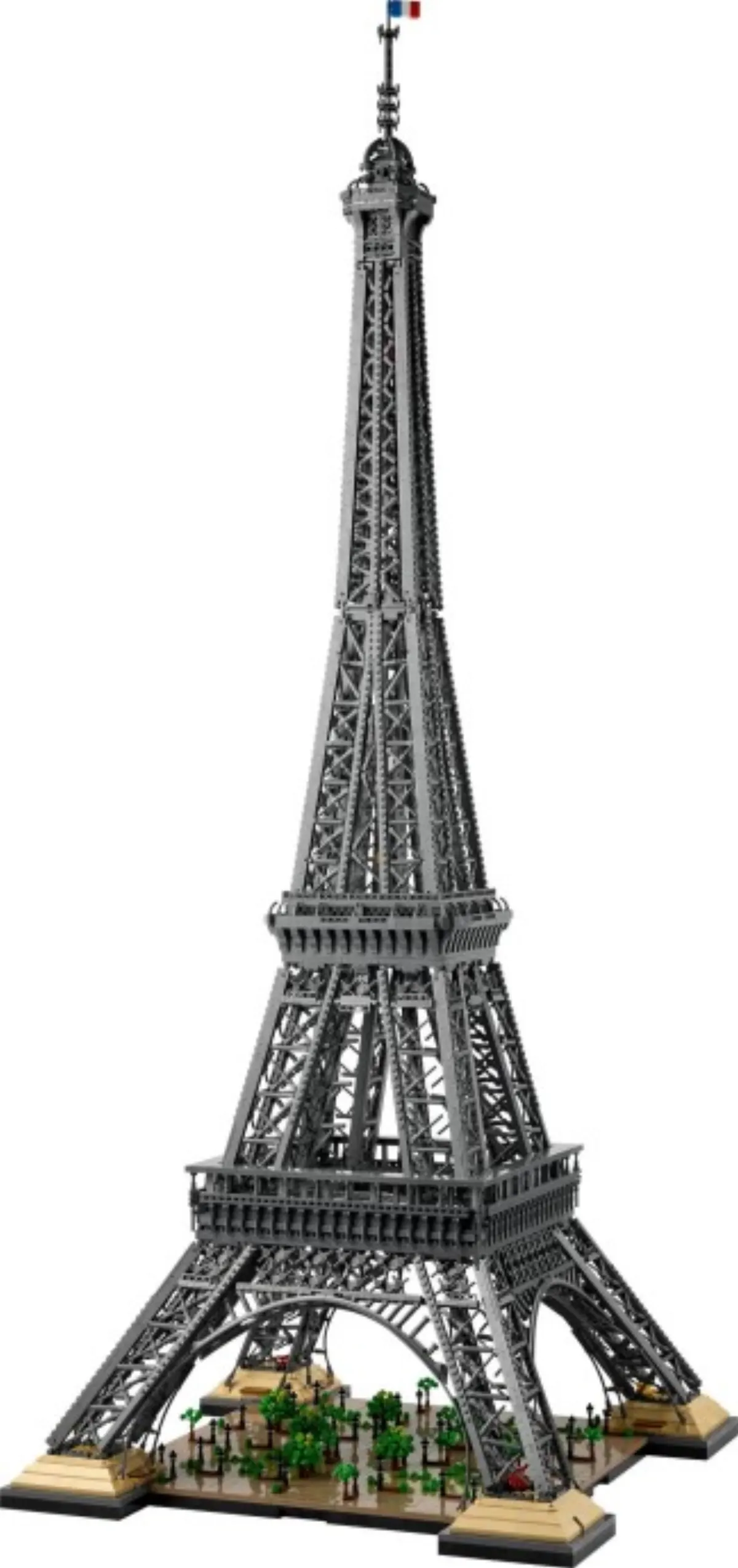
Eiffel Tower
The tallest LEGO set ever, and it makes you earn every centimetre.
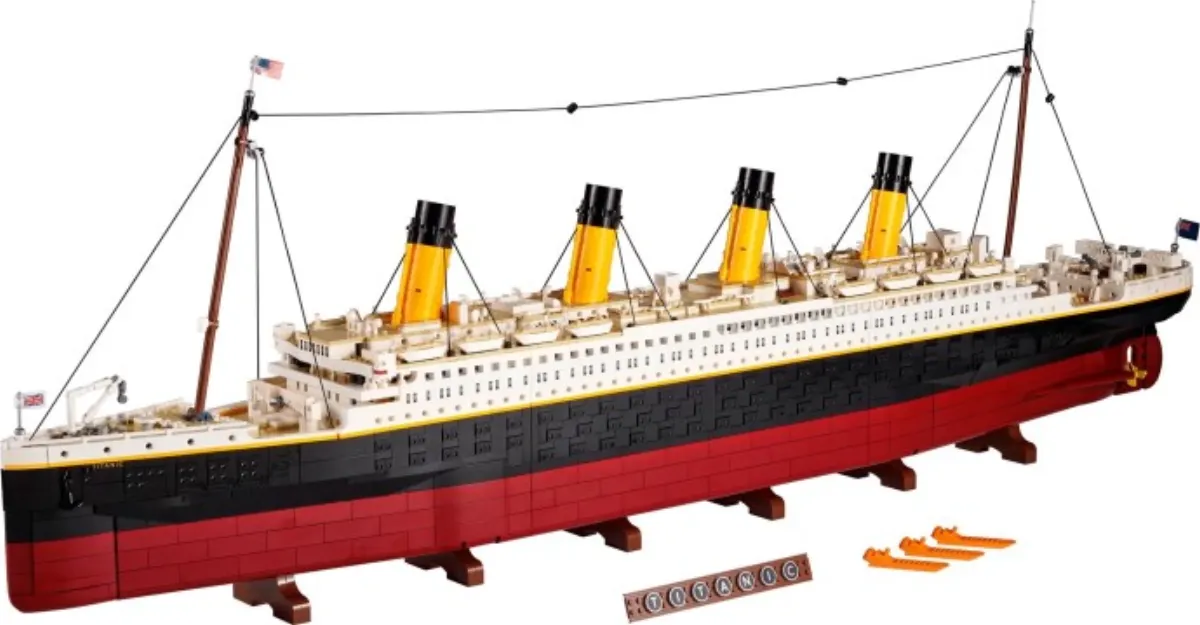
Titanic
The longest LEGO set ever made, and one of the most rewarding builds I've done.
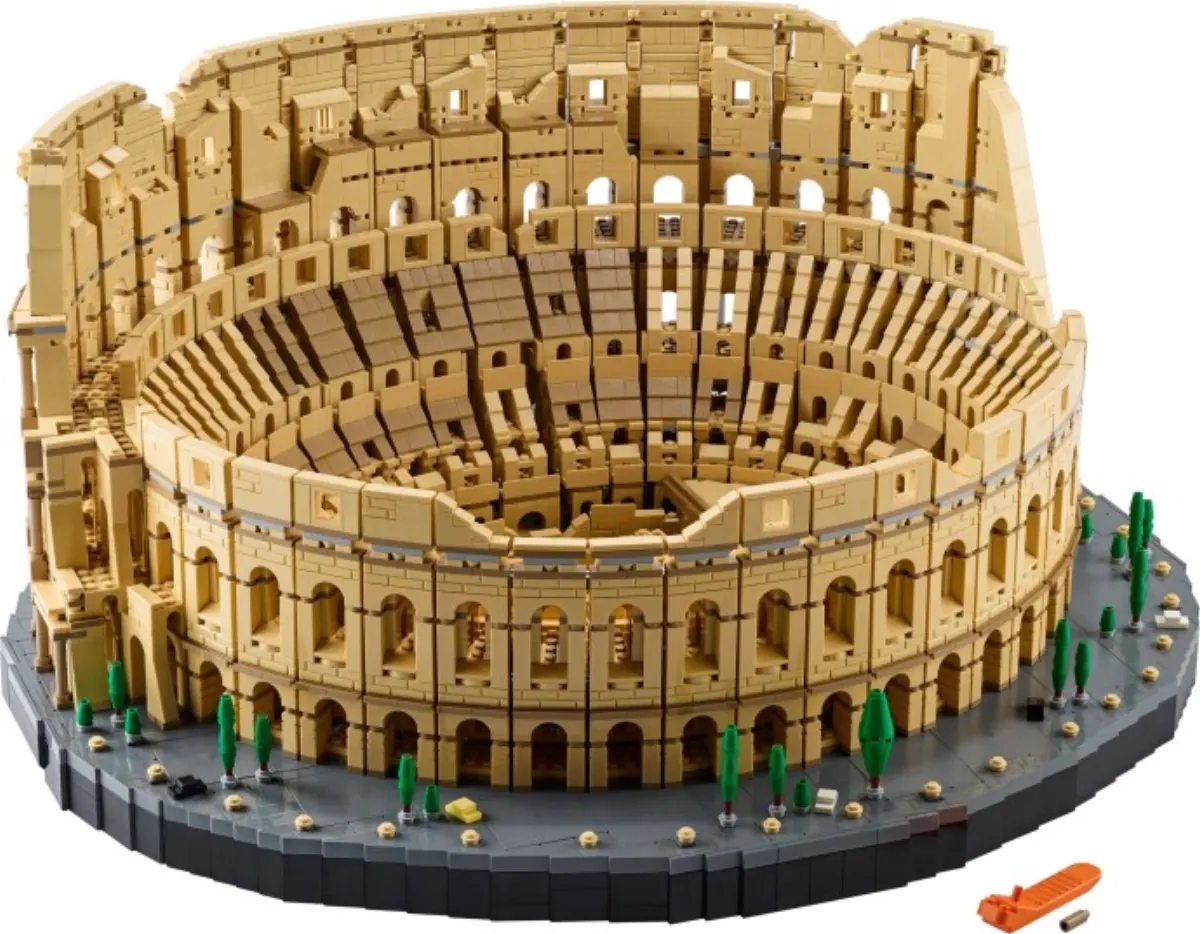
Colosseum
The biggest LEGO set ever made, and a proper test of your patience.