Play with Braille - German Alphabet
A LEGO set that teaches with your fingertips, not just your eyes.
Brick Rated Score
Set 40722 · 2024
Affiliate link. We may earn a commission at no extra cost to you.As an Amazon Associate we earn from qualifying purchases.
This one caught me off guard in the best way.
Every brick doubles as a Braille cell, the studs raised in the exact dot pattern for a letter, number, or special German character, with the printed letter sitting right above it so sighted and blind builders can read the same piece together. I sat there running my thumb over the dots and felt genuinely moved by how simple and clever the idea is. It is not a set you build once and shelve, it is a tool you keep out and use, which changes how I score it. If you have a visually impaired kid, grandkid, or student in your life, or you teach in a German-language classroom, this belongs on your shelf. If you just want a fun weekend build with a finished model to display, look elsewhere, this is a learning kit first.
Best for: parents, teachers, and speech or vision therapists working with German-speaking kids learning Braille
What it is
I want to be upfront about what this actually is, because the box does not look like anything else on the LEGO wall. There is no spaceship, no castle, no finished model waiting at the end. Instead you get 287 pieces that are individually molded Braille cells, each one a letter, number, or special character from the German alphabet, with six studs arranged in the correct raised dot pattern and the printed letter sitting right on top. You build with it, sure, but the real payoff is running your fingers over a brick and being able to read it, or watching a sighted kid and a blind kid work through the same set together and both come away having learned something.
The catch
The honest caveat is price and expectation. At around ninety euros for under three hundred pieces, this is not a value play by typical piece-count math, and if you are the kind of builder who wants a satisfying model at the end of an evening, you will not get one here. This is closer in spirit to a classroom resource than a display piece, and I think LEGO priced and marketed it that way on purpose. It is also a LEGO exclusive, so it is not sitting in the aisle at your local toy shop, you need to go looking for it specifically.
Who it's for
I would put this in the hands of parents or teachers working with a visually impaired child learning German, or any classroom that wants an inclusive tool rather than a token gesture. Skip it if you are shopping for a typical LEGO build night, this set is doing a different, quieter job, and it does that job really well.
The parts story
What the build is actually like, and the pieces worth knowing about.
Building it is less about following numbered steps and more about sorting and organizing. You are working through stacks of nearly identical-looking bricks, separating them by the letter printed on top, and slotting them onto the included base plates so the full alphabet, numbers, and special German characters end up laid out in order. It is quiet, methodical work, closer to setting up a classroom station than racing to finish a model, and I found that pace weirdly calming rather than tedious.
The real standout here is not a rare part or a new mold in the collector's sense, it is that every single piece is functionally unique. Each brick's six-stud face is molded with the raised dot combination for one specific German letter or character, meaning this set effectively contains dozens of distinct new elements rather than one repeated shape. That is unusual for LEGO, where most sets lean on a handful of parts repeated hundreds of times. Here the variety is the whole point, and it is what makes the set genuinely readable by touch rather than just colorful.
Fun facts
- 01The Braille bricks were developed as part of LEGO's Braille Bricks Project, a partnership with blind advocacy organizations that put the studs in real Braille dot patterns rather than a decorative approximation.
- 02Each brick prints the corresponding letter or number above the Braille dots, so a sighted parent, sibling, or teacher can read along at the same time as a visually impaired learner.
- 03The German alphabet version is one of several language-specific Play with Braille sets LEGO rolled out from its educational Braille Bricks line, reflecting how differently Braille characters map across languages.
- 04Unlike almost every other LEGO set, there is no single finished model to display, the bricks themselves are the product, meant to stay in active use as a learning tool rather than sit on a shelf.
What other builders say
This write-up is grounded in real reviews and builder discussion, not just one opinion. A few worth reading:
More reviews
All reviews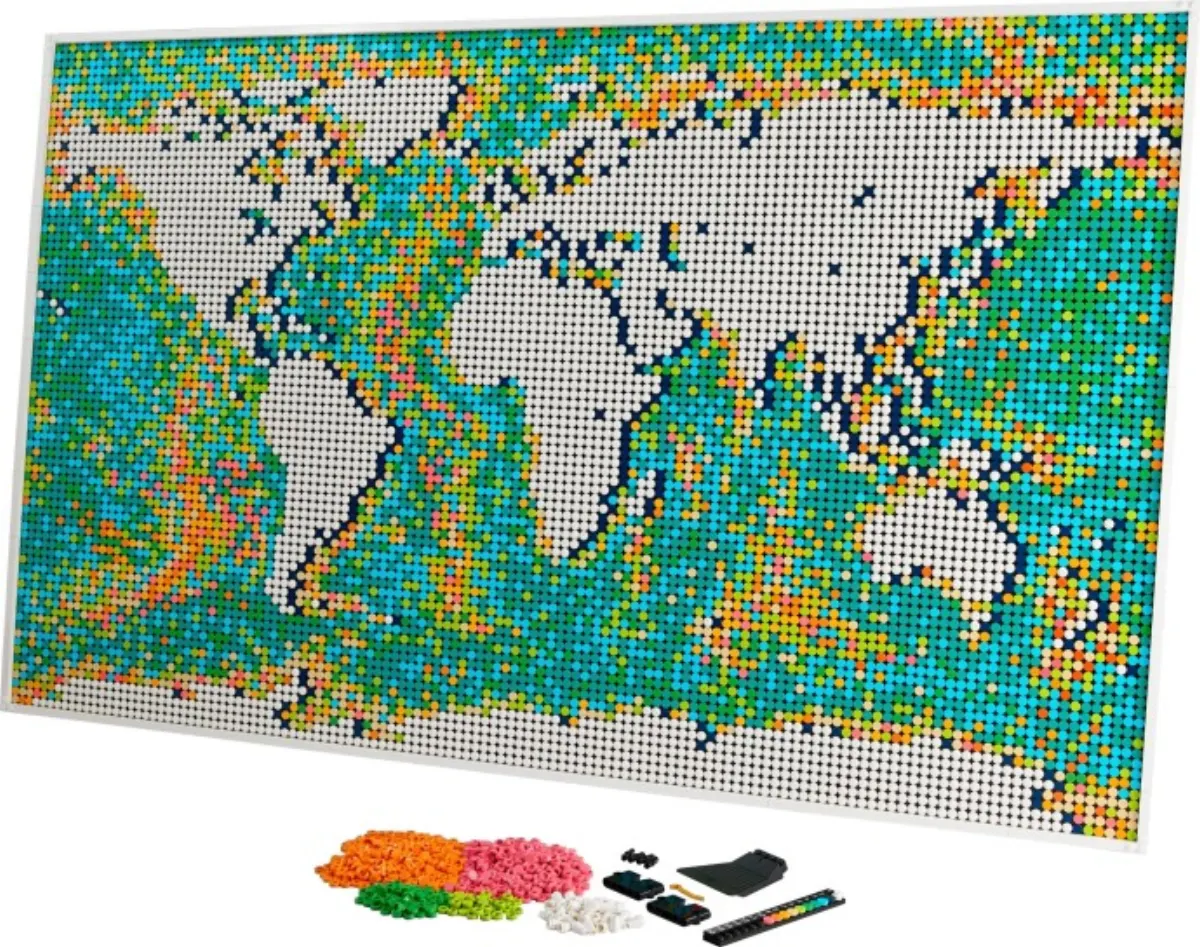
World Map
The biggest LEGO set ever made, and yes, it's really one enormous mosaic.
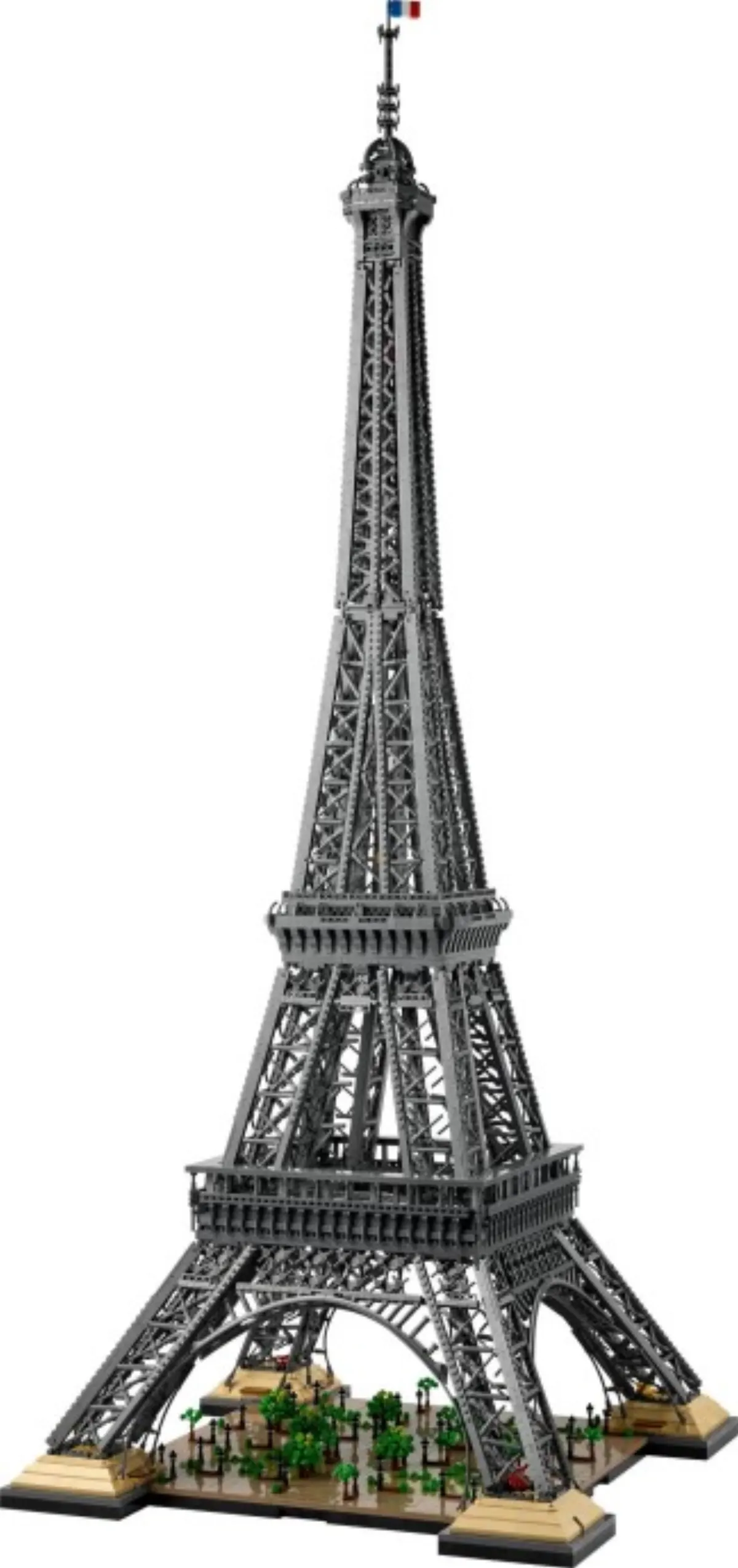
Eiffel Tower
The tallest LEGO set ever, and it makes you earn every centimetre.
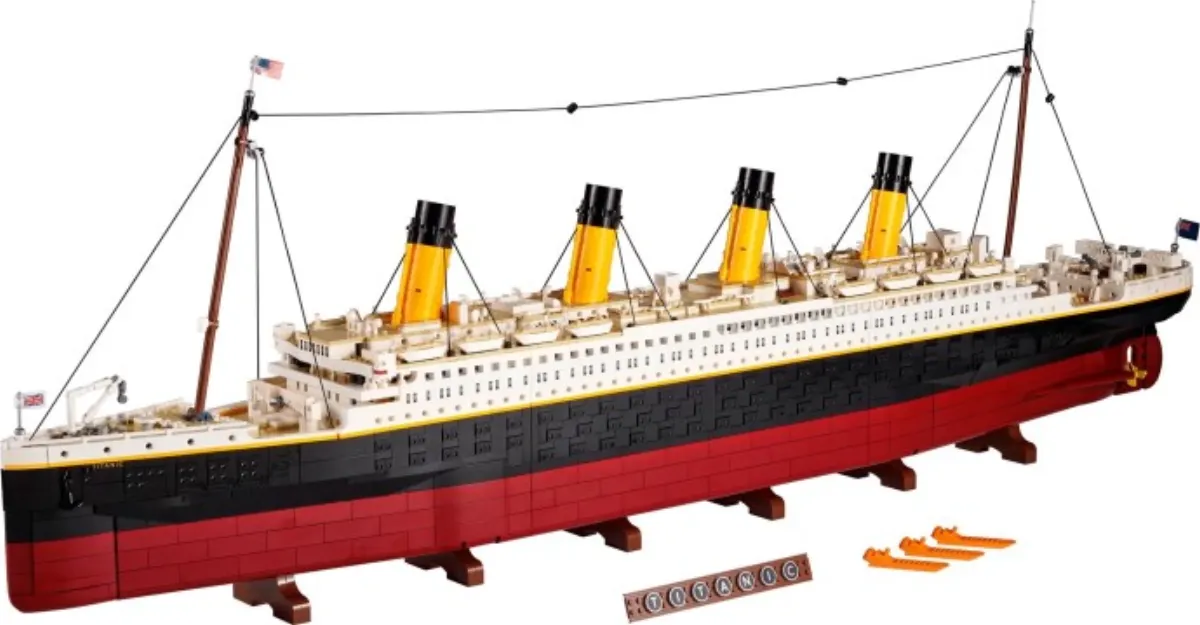
Titanic
The longest LEGO set ever made, and one of the most rewarding builds I've done.